

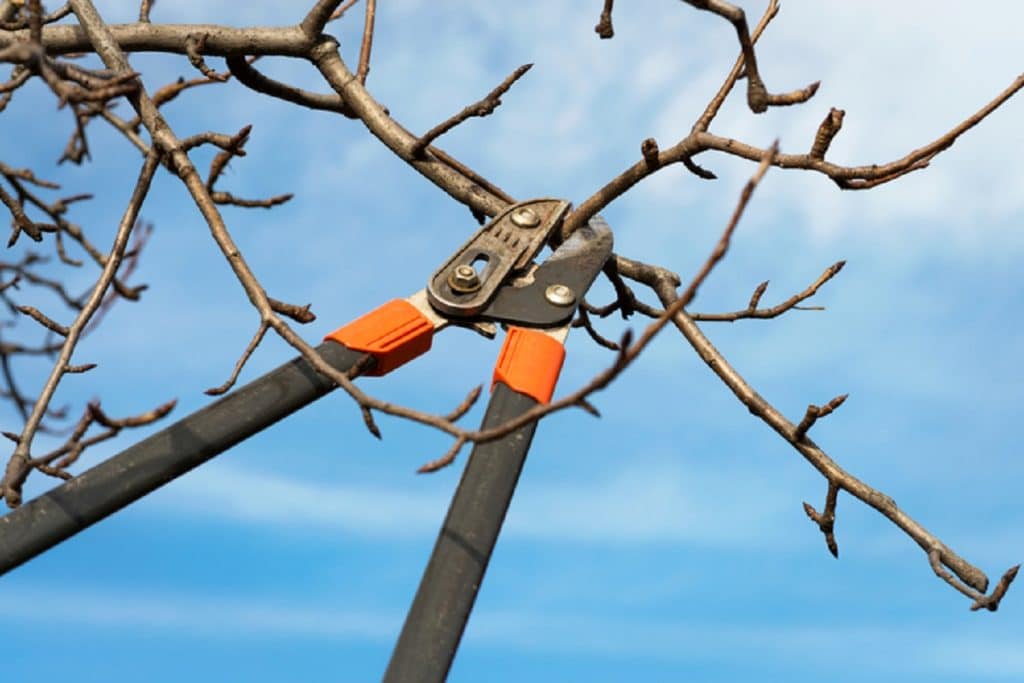
While you may focus on the diseased or dead trees once spring comes, your healthy trees need care to stay that way. The main care needed is to trim them so they grow strong. This guide will help you understand what types of branches will need to be removed for optimal results.
Start With an Inspection
The first task on a spring trimming checklist should be a thorough inspection of all trees on your property. During this inspection, look for any cracked or dead branches. If you haven’t done so in a while, check for any signs of disease, such as discolored leaves, peeling bark, or unusual lumps.
Remove Dead or Damaged Branches
The previous seasons may cause dead or damaged branches that could fall during a storm or on a windy day. In addition, getting rid of any limbs that aren’t budding or are brittle or diseased will redistribute nutrients to healthy branches.
Prune to Enhance Sunlight and Air Exposure
While the top and outer branches receive adequate sunlight, the ones inside the canopy don’t, especially if they’re growing close together. Any small interior branches that prevent light from passing through the canopy should be pruned. If you have any dense areas of branches, they should be thinned to improve airflow throughout the canopy.
Prune to Shape the Tree and Support the Overall Structure
Part of spring pruning should include removing any branches that rub or cross over other ones and cutting any vertical shoots. Trimming should also consist of maintaining the natural shape of the tree and keeping it aesthetically appealing. This aspect of the process entails trimming the outside of the tree.
Remove Unwanted Growth Near the Trunk
If you have any suckers or shoots coming from the trunk, these will have to go during your spring pruning. These take away vital nutrients from the tree, which can rob it of what it needs to remain healthy.
Any branches, leaves, and other debris around the trunk can block the airflow that’s necessary for the tree to thrive. It helps with transpiration — the process necessary for the tree to release water vapor. All the debris also promotes mold growth and makes a home for pests that can harm the tree.
Cut Branches for Safety Reasons
Besides trimming for the tree’s sake, any branches that hang over your walkway, driveway, or patio should go as well. These can be dangerous to your family if a storm, disease, or the natural aging process affects them.
To keep your yard looking pristine, the trees thriving, and your family safe, you need to perform spring trimming on all your trees. Focus on specific branches that look diseased or dead. It’s also helpful to hire a professional to inspect the trees and remove any limbs you’re not comfortable taking down yourself. If you have concerns or require tree trimming services, contact CBC Lawn & Tree in Lancaster, SC.